
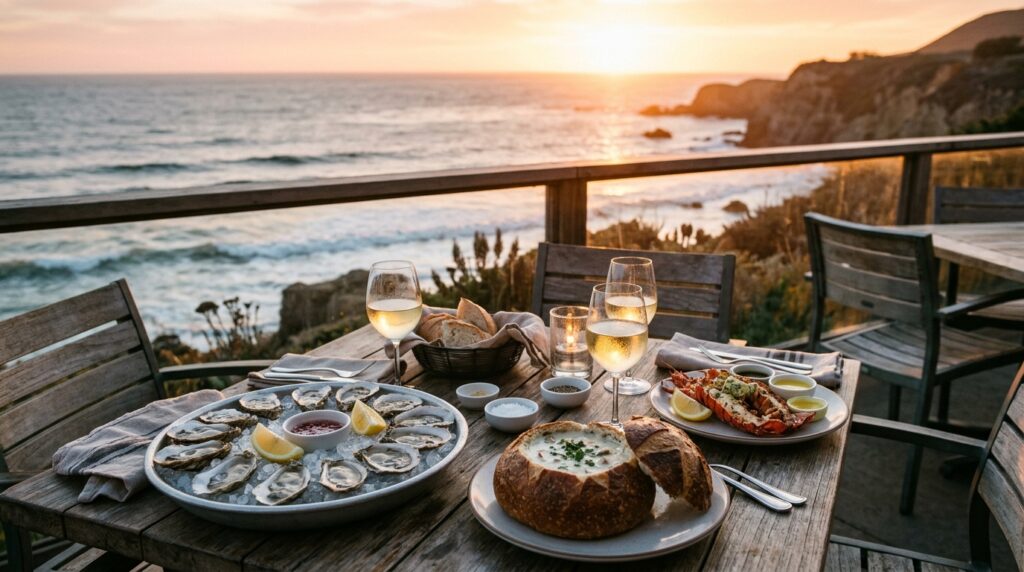
California’s coastline offers more than breathtaking ocean views and beautiful beaches. It is also home to a vibrant food culture shaped by fresh seafood, local ingredients, waterfront restaurants, and communities with deep connections to the Pacific Ocean. From casual fish shacks to elegant seaside dining rooms, the Golden State offers plenty of opportunities to enjoy a memorable meal by the water.
Whether you are planning a coastal road trip, searching for a new restaurant, or simply looking for inspiration for your next meal, exploring California’s coastal food scene is a delicious way to experience the state. Here are some of the flavors, destinations, and dining experiences worth discovering.
1. Discover the Appeal of California Coastal Cuisine
California coastal cuisine reflects the state’s diverse communities, access to Pacific seafood, and emphasis on seasonal ingredients. Menus often combine fresh fish, locally grown vegetables, citrus, herbs, and regional cooking traditions.
The result is a food scene that can feel different from one coastal community to another. A restaurant in Southern California might feature Baja-inspired fish tacos, while a dining spot farther north may highlight Dungeness crab when it is in season. Along the Central Coast, seafood dishes frequently share the menu with local wines and produce from nearby farms.
Many coastal restaurants also take advantage of their surroundings, offering outdoor patios, ocean views, or relaxed settings where visitors can enjoy a meal after a day at the beach.
2. Try Fresh Seafood and Regional Favorites
Seafood is one of the defining features of California’s coastal food culture. Depending on the location and season, diners may find grilled fish, clam chowder, crab dishes, oysters, shrimp, and locally inspired seafood specialties.
Fish tacos are especially popular in Southern California, where they often feature grilled or battered fish, crunchy cabbage, fresh salsa, and a squeeze of lime. Along other parts of the coast, seafood stews, grilled salmon, and shellfish dishes offer different ways to experience regional flavors.
When choosing seafood, ask about the catch of the day, where the fish comes from, and which items are currently in season. Availability can vary, and a restaurant’s freshest options may change throughout the year.
3. Explore Waterfront Restaurants and Seaside Dining
One of the pleasures of eating along the California coast is finding a restaurant that makes the surrounding landscape part of the experience. Waterfront dining spots range from informal seafood counters near harbors to full-service restaurants overlooking sandy beaches and rocky shorelines.
In places such as San Diego, Santa Barbara, Monterey, and San Francisco, visitors can find dining experiences that reflect the character of each coastal community. Some restaurants focus on traditional seafood preparations, while others combine ocean-inspired menus with contemporary California cooking.
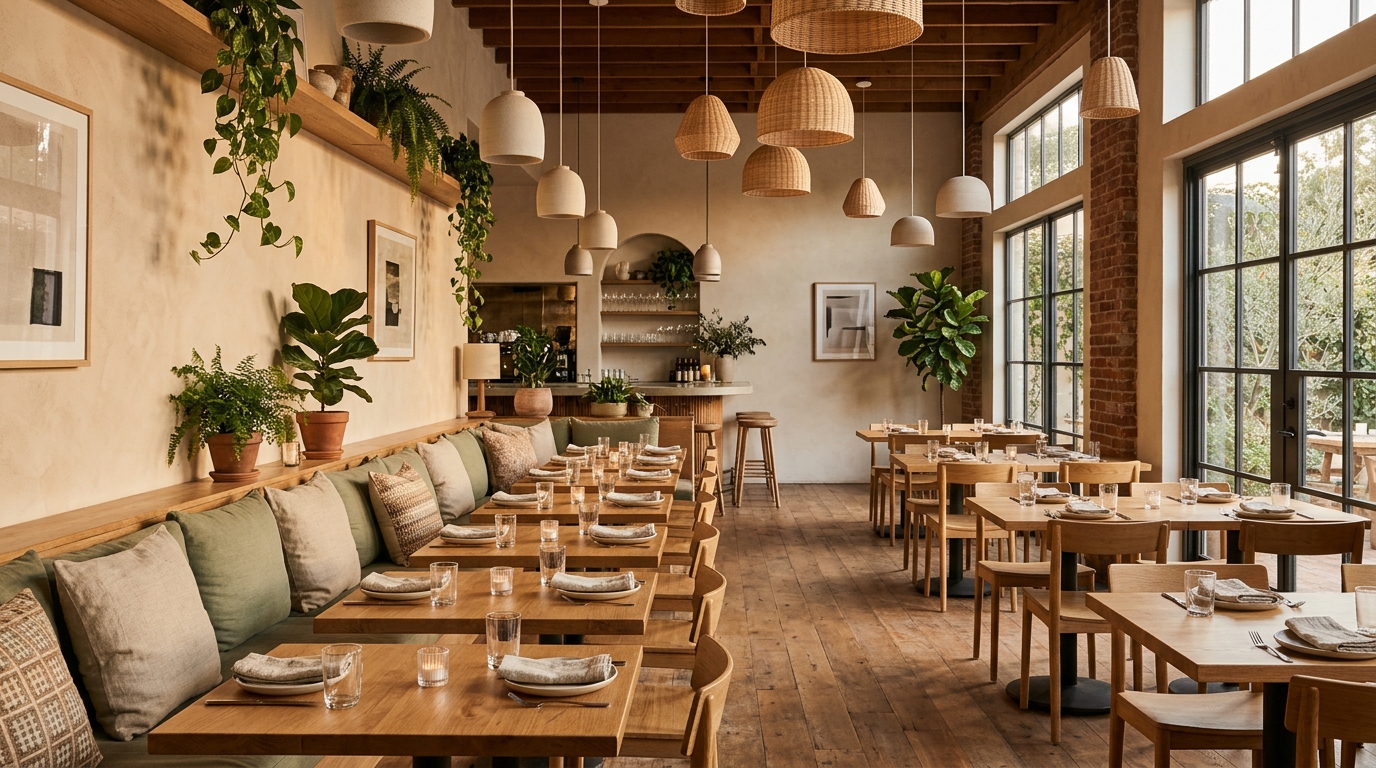
For a more enjoyable visit, consider making reservations during busy weekends and holiday periods. If ocean views are important to you, check the restaurant’s seating options when booking, since not every table may offer the same view.
4. Visit California’s Coastal Food Destinations
California’s long coastline includes many communities where food is an important part of the local identity. Each destination offers its own combination of restaurants, markets, regional specialties, and scenic places to explore.
San Diego: Fish Tacos and Baja-Inspired Flavors
San Diego’s proximity to Mexico has helped shape a lively food culture with strong Baja influences. Fish tacos, seafood burritos, ceviche, and casual beachside eateries are popular choices. Visitors can explore neighborhoods throughout the city to discover everything from quick counter-service meals to creative seafood restaurants.
Santa Barbara: Seafood and Central Coast Ingredients
Santa Barbara offers a mix of harbor-side dining, seafood restaurants, and menus influenced by the agricultural richness of the Central Coast. Depending on the season, local dining experiences may feature regional fish, shellfish, fresh vegetables, and wines produced in nearby areas.
Monterey: A Historic Connection to the Sea
Monterey’s maritime history and coastal setting make it an appealing destination for seafood lovers. Visitors can explore the waterfront, look for restaurants featuring seasonal seafood, and learn more about the region’s relationship with the ocean. Checking current menus is a good way to discover which local specialties are available during your visit.
San Francisco: Seafood and Classic Waterfront Meals
San Francisco is known for its varied dining scene, including seafood restaurants and waterfront establishments. Regional favorites have included sourdough bread served with clam chowder, crab dishes when available, and seafood menus influenced by the city’s diverse culinary traditions.
5. Look for Local Fish Markets and Seasonal Ingredients
Restaurants are only one part of California’s coastal food experience. Local fish markets, public markets, and seafood counters can also introduce visitors to regional ingredients and seasonal specialties.
At a market, you may find fresh fish, shellfish, prepared seafood, and other ingredients sourced from California and beyond. Some markets are geared toward home cooks, while others offer ready-to-eat meals that make an easy lunch during a day of exploring.
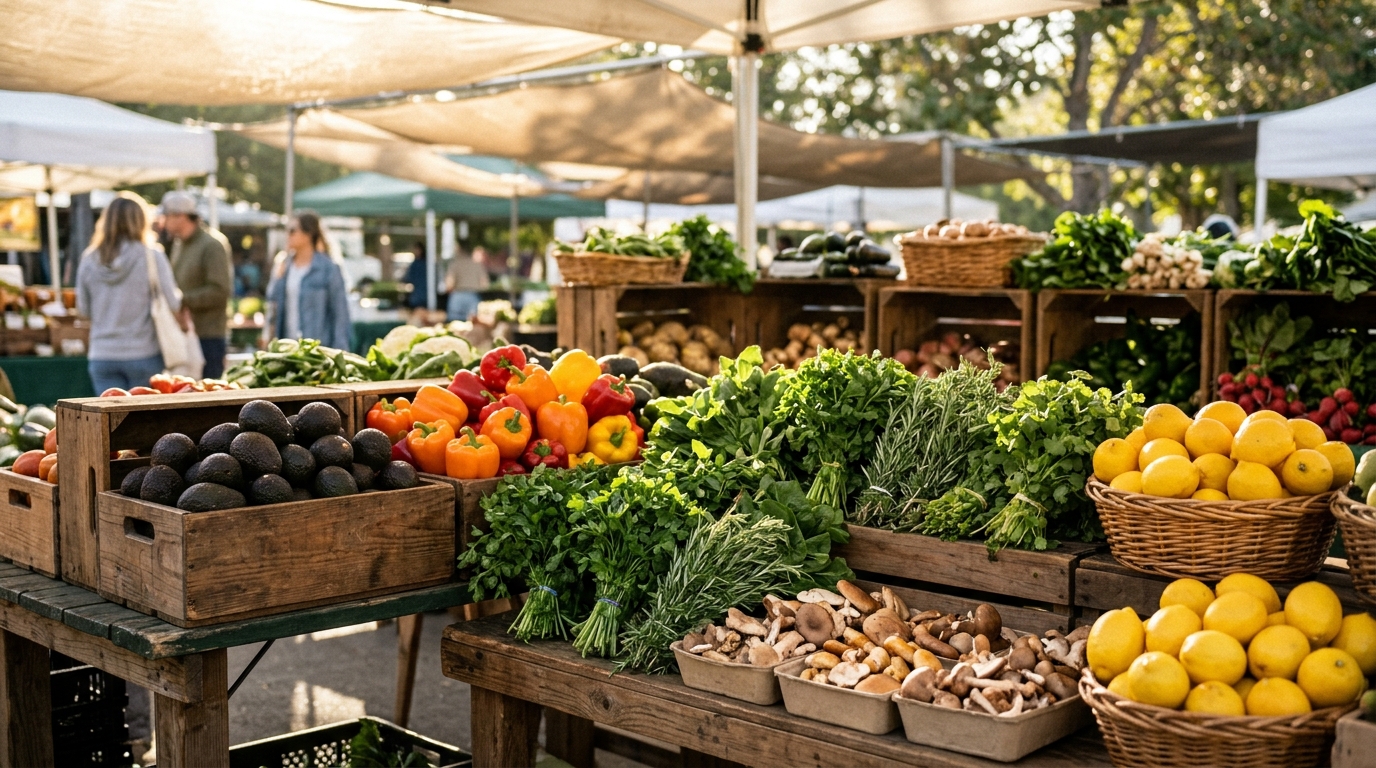
If you plan to purchase seafood, ask the seller about its origin, storage, and recommended preparation. Keep perishable foods properly chilled, especially if you are traveling between destinations or spending time outdoors.
6. Make Responsible and Informed Seafood Choices
Enjoying coastal cuisine can also be an opportunity to learn more about seafood sourcing and ocean conservation. Availability varies by species, season, location, and fishing regulations, so a dish that is common in one place may not be available everywhere.
When dining out, you can ask restaurants which seafood options are locally sourced and how they select their suppliers. At markets, look for clear information about the product and its origin. Seafood guides from reputable conservation organizations can also help consumers understand sustainability considerations.
It is worth remembering that local sourcing does not automatically mean a product is sustainable. Fishing methods, stock health, transportation, and other factors can influence the environmental impact of seafood.
7. Plan a Memorable California Coastal Food Trip
A coastal food trip does not have to involve an elaborate itinerary. Choose a stretch of coastline, research a few restaurants and markets, and leave room for spontaneous discoveries along the way.
- Research local specialties: Find out which dishes are associated with the community you plan to visit.
- Check seasonal menus: Restaurants may change seafood offerings depending on availability.
- Explore beyond popular tourist areas: Neighborhood restaurants and small local businesses can offer a different perspective on coastal dining.
- Make reservations when needed: Popular waterfront restaurants can become busy during peak travel periods.
- Allow time to explore: Combine meals with harbor walks, public markets, coastal viewpoints, or nearby cultural attractions.
- Keep food safety in mind: Choose reputable vendors and make sure perishable seafood is stored and served at appropriate temperatures.
For a more complete experience, consider pairing your food stops with visits to local farmers’ markets, bakeries, coffee shops, and independent food businesses. These smaller discoveries can help you understand the broader food culture of each destination.
Experience California One Coastal Meal at a Time
California’s coastal food scene brings together fresh seafood, regional traditions, local ingredients, and distinctive dining environments. From fish tacos in Southern California to seasonal seafood along the Central Coast and classic waterfront meals in San Francisco, every region offers something different to explore.
The best coastal food experiences are not always found in the most famous restaurants. Sometimes, a simple seafood lunch, a visit to a neighborhood market, or a recommendation from a local can become the highlight of a trip.
As you explore California’s coastline, stay curious, try regional specialties, and take time to appreciate the people and communities behind each meal. Every stop is another opportunity to discover California, one bite at a time.