
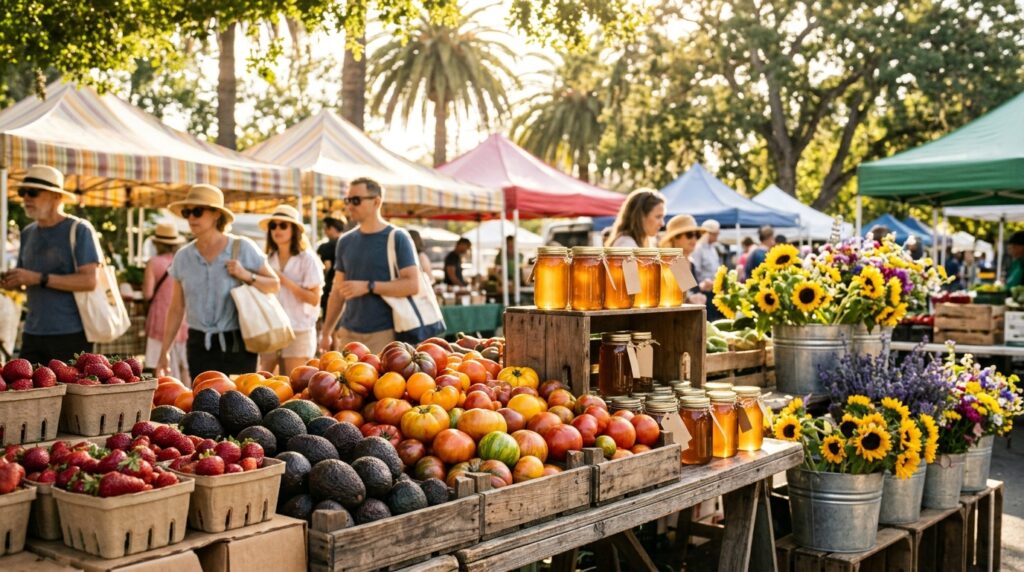
California is known for its agricultural diversity, and farmers’ markets offer an inviting way to experience the state’s local food culture. From baskets of ripe strawberries and freshly picked citrus to artisan bread, locally produced honey, and handmade snacks, these markets bring together growers, food makers, and shoppers who appreciate fresh ingredients.
Whether you live in California or are planning a visit, exploring a farmers’ market can be a rewarding addition to your food adventures. You can discover seasonal specialties, meet local vendors, find ingredients for your next home-cooked meal, and learn more about the communities behind the food.
In this guide, we’ll explore what makes California’s farmers’ markets special, what to look for when you visit, and how to make the most of your market shopping experience.
1. Why California’s Farmers’ Markets Are Worth Exploring
California’s varied climate and growing regions support a wide range of agricultural products. Depending on the season and location, shoppers may find leafy greens, stone fruits, berries, citrus, tomatoes, avocados, nuts, and many other locally grown ingredients.
Farmers’ markets also offer more than fresh produce. Many feature small food businesses selling baked goods, jams, sauces, flowers, specialty snacks, and prepared meals. Some markets include live music, cooking demonstrations, or activities that make them enjoyable places to spend a morning or afternoon.
For visitors, a market can provide a glimpse into local food traditions. For residents, it can be a convenient place to discover new ingredients and support nearby farms and independent businesses.
2. Discover Seasonal Fruits and Vegetables
One of the best reasons to visit a farmers’ market is the opportunity to discover produce at its seasonal peak. The selection changes throughout the year, although exact availability depends on the region, weather, and growing conditions.
Spring may bring strawberries, asparagus, peas, and tender greens to some markets. Summer often features berries, peaches, nectarines, tomatoes, melons, and other warm-weather favorites. Fall can offer apples, pears, squash, and pumpkins, while winter markets may highlight citrus, root vegetables, and leafy greens.
Rather than shopping only for familiar ingredients, ask vendors what is especially good that week. They may suggest a variety you have never tried or share ideas for preparing a seasonal ingredient.
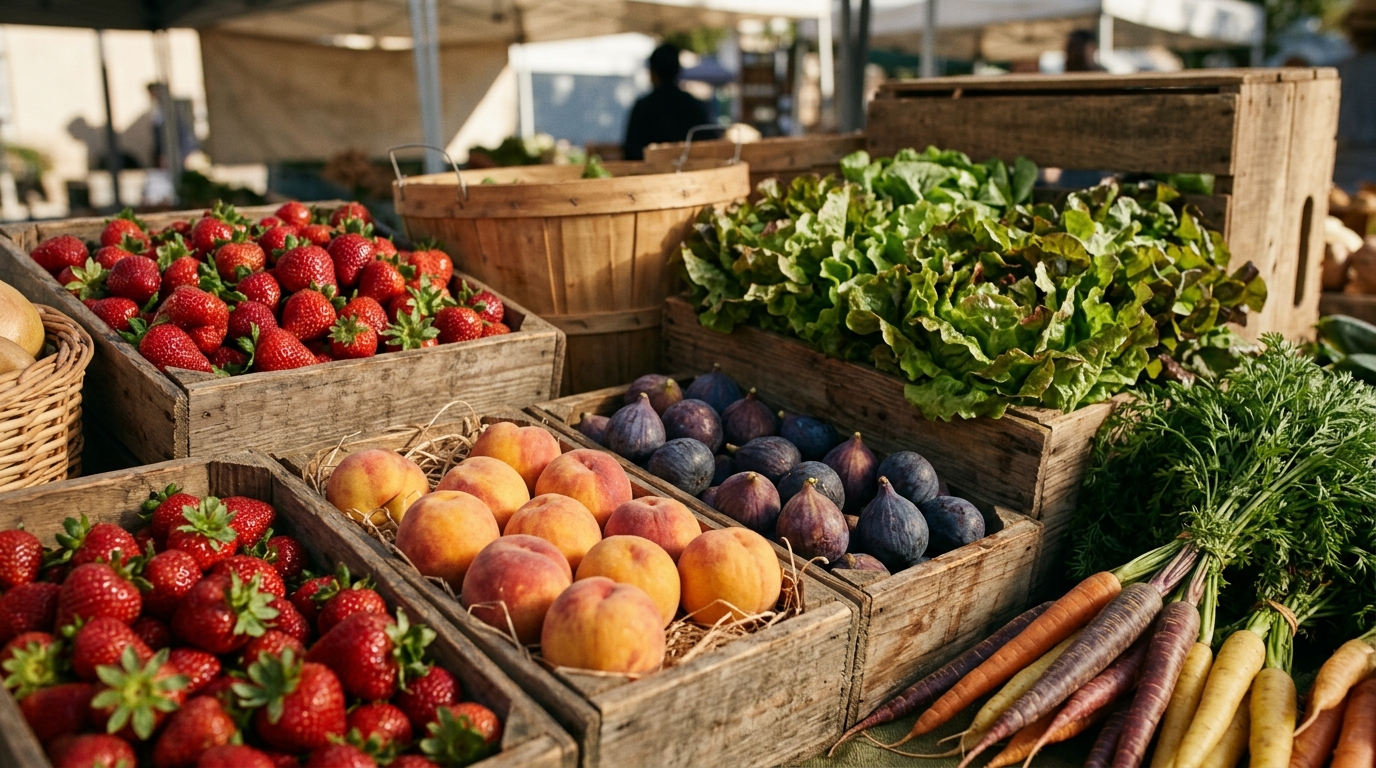
Seasonal shopping can also help you plan meals around what is readily available. A basket of ripe tomatoes might inspire a fresh salad, while a selection of stone fruits could become a simple dessert or breakfast topping.
3. Explore Artisan Foods and Local Specialties
Fresh produce may be the main attraction, but many California farmers’ markets also feature independent food makers. These vendors add variety to the market experience and introduce shoppers to products that may be difficult to find in larger grocery stores.
Depending on the market, you might discover sourdough loaves, handmade pastries, local honey, small-batch jams, roasted nuts, specialty sauces, fresh pasta, or prepared foods inspired by regional cuisines.
Take time to browse before making your purchases. Vendors may offer samples where permitted, explain how their products are made, or suggest ways to incorporate them into everyday meals. If you have food allergies, always ask about ingredients and possible cross-contact rather than relying on appearance or a sample alone.
4. Find Farmers’ Markets Across California
Farmers’ markets operate in communities throughout California, from major metropolitan areas to smaller towns. Each market has its own character, vendor selection, schedule, and seasonal highlights. Checking official market listings before your visit is the best way to confirm operating days, locations, and special events.
Los Angeles: Neighborhood Markets and Diverse Food Finds
Los Angeles offers a variety of community markets where shoppers can discover seasonal produce, flowers, baked goods, and foods reflecting the city’s diverse culinary traditions. Depending on the location, you may find specialty ingredients, prepared meals, and products from independent local businesses.
San Francisco: Fresh Produce and Bay Area Food Culture
San Francisco and the wider Bay Area have a strong tradition of farmers’ markets that connect shoppers with regional growers and food producers. Markets can be a good place to look for seasonal fruits and vegetables, artisan breads, flowers, and specialty products from surrounding agricultural areas.
San Diego: Local Produce and Southern California Flavors
San Diego’s farmers’ markets offer opportunities to discover produce and specialty foods from Southern California. Depending on the season and market, shoppers may encounter citrus, avocados, vegetables, baked goods, prepared foods, and ingredients influenced by the region’s cross-border culinary connections.
Sacramento: A Connection to California Agriculture
Sacramento and the surrounding region provide access to agricultural communities that contribute to California’s diverse food supply. Local markets can be a convenient way to explore seasonal produce, regional products, and foods made by independent vendors.
These cities are useful starting points, but smaller community markets can be just as rewarding. Before visiting, confirm that the market is operating on your chosen day and check whether vendors or seasonal offerings have changed.
5. Get to Know the People Behind Your Food
Farmers’ markets create opportunities to speak directly with growers, bakers, and other food producers. These conversations can help you understand where ingredients come from, when they are harvested, and how to use them at home.
Start with a simple question, such as, “What’s in season right now?” or “How would you recommend preparing this?” Vendors who work closely with their products may have useful suggestions for choosing ripe produce, storing ingredients, or trying a new variety.
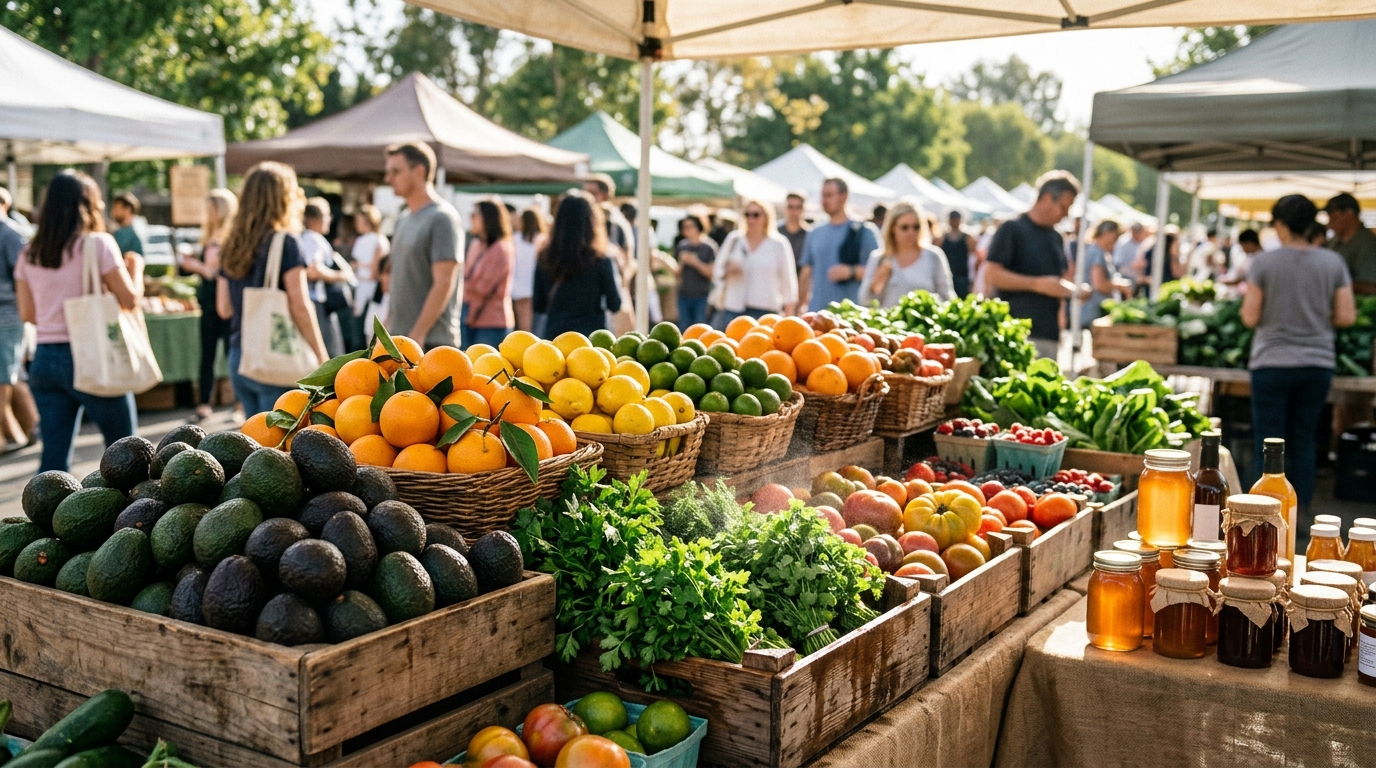
Learning about a product’s origin can also help you make more informed shopping decisions. If buying locally grown food is important to you, ask vendors where an item was grown or produced and whether they can share additional information about their sourcing.
6. Tips for Making the Most of Your Market Visit
A little preparation can make a farmers’ market visit easier, especially if you plan to shop for several meals or explore a busy market for the first time.
- Check the schedule: Confirm the market’s location, opening hours, and operating days before leaving home.
- Arrive with a flexible shopping list: Plan a few meals, but leave room for seasonal ingredients that catch your attention.
- Bring reusable shopping bags: Sturdy bags make it easier to carry produce and other purchases.
- Walk through the market first: Compare selections and prices before deciding what to buy.
- Ask questions: Vendors can often offer useful advice about ripeness, storage, preparation, and seasonal availability.
- Bring an appropriate payment method: Some vendors accept cards or digital payments, while others may have different payment options.
- Plan for perishables: Bring an insulated bag if needed, and avoid leaving temperature-sensitive foods in a hot vehicle.
- Support small vendors when possible: Consider purchasing directly from growers and independent food makers whose products interest you.
7. Keep Food Quality and Safety in Mind
Fresh food still needs proper handling. When shopping at a farmers’ market, choose produce that looks fresh and is appropriate for your intended use. Avoid items with obvious signs of spoilage, and ask vendors how best to store delicate or highly perishable products.
Wash fruits and vegetables under clean running water before eating or preparing them. Keep raw meat, seafood, and other potentially hazardous foods separate from ready-to-eat items. Perishable prepared foods, dairy products, and other temperature-sensitive products should be kept at safe temperatures during transport and storage.
If you purchase refrigerated items, consider buying them near the end of your visit and taking them home promptly. Follow any storage instructions provided by the seller, and ask questions if you are unsure how a product should be handled.
8. Turn Your Market Finds Into Delicious Meals
One of the most enjoyable parts of farmers’ market shopping is deciding how to use your discoveries. You do not need complicated recipes to make seasonal ingredients shine.
Fresh tomatoes, herbs, and greens can become a simple salad. Seasonal fruit can be served with yogurt, added to oatmeal, or baked into a dessert. Fresh vegetables can be roasted with olive oil and herbs, while artisan bread can complement a homemade soup or cheese board.
Try building a meal around one or two ingredients that look particularly appealing. This approach makes shopping more spontaneous and can help you discover combinations you might not otherwise consider.
You can also keep a short seasonal food journal. Record the market you visited, the ingredients you bought, and the dishes you made. Over time, these notes can become a useful guide to your favorite California food finds.
Discover California’s Local Food Culture
California’s farmers’ markets offer much more than a place to buy groceries. They provide a way to explore seasonal ingredients, discover independent food businesses, meet local producers, and experience the character of communities across the state.
Whether you are searching for fresh berries, artisan bread, locally produced honey, or inspiration for your next home-cooked meal, a farmers’ market can turn an ordinary shopping trip into a food adventure.
Check the local schedule, arrive with an open mind, and take time to talk with the people who grow and make the products you discover. You may leave with a bag full of fresh ingredients and a new appreciation for the people and places that shape California’s food culture.